Jud Crandall
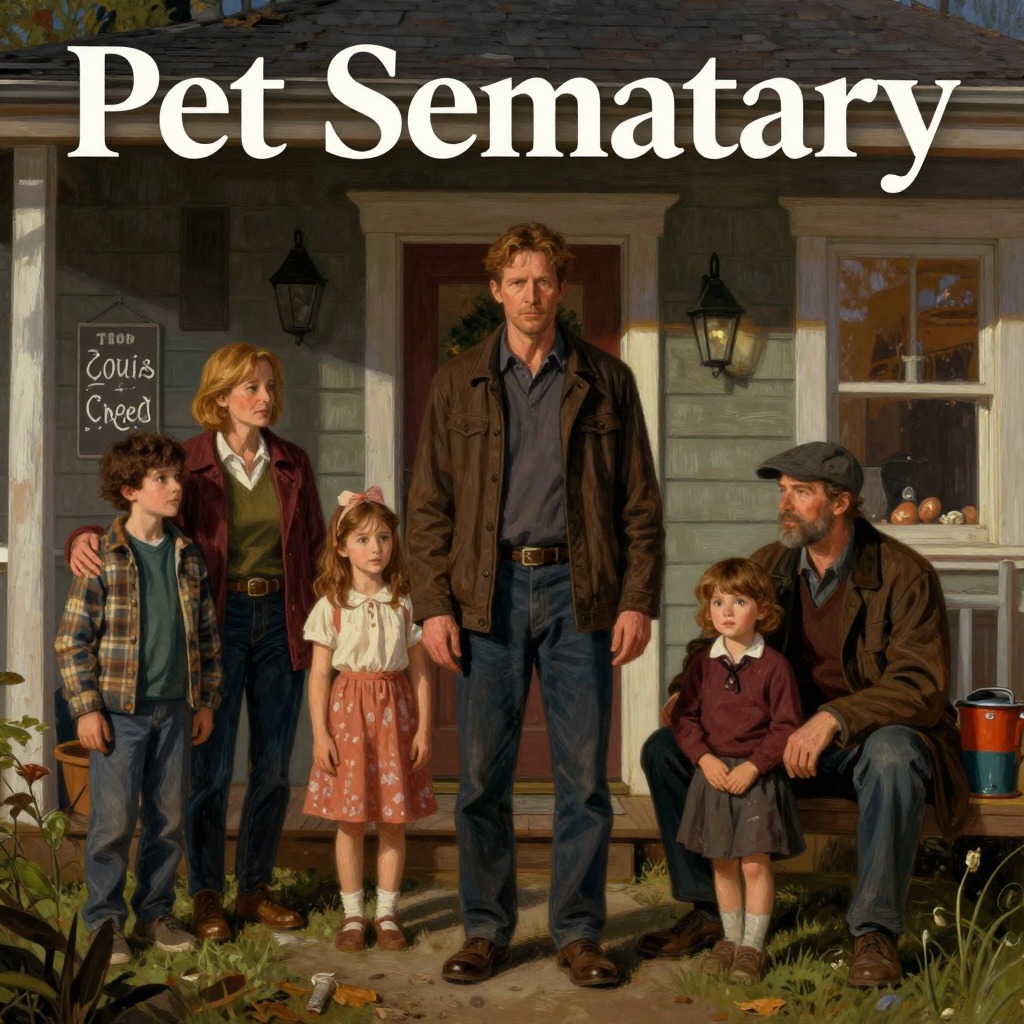
Jud Crandall, born Judson Crandall in the year 1900, is the octogenarian neighbor who becomes Louis Creed's closest friend and, in many ways, the father Louis never had. He lives across Route 15 from the Creed family's new home in Ludlow, Maine, in the house his own father built. From their first meeting—when Jud deftly removes a bee stinger from Gage Creed's neck and offers the exhausted family a beer—he establishes himself as a man of quiet competence, deep local knowledge, and a wry, gentle humor. His thick Down East accent and his habit of lighting Chesterfield cigarettes with a wooden match struck on his thumbnail become familiar comforts to Louis. Jud is the keeper of Ludlow's history, a history that includes the Pet Sematary and, beyond it, the far older and more dangerous Micmac burying ground. He is the last surviving member of the gang of boys who buried their pets there in the early 1900s, and he carries the weight of a secret he has kept for over seventy years: the place has a power that can return the dead to life, but at a terrible cost.
Life and Role in Ludlow
Jud has lived his entire life in Ludlow, leaving only briefly to serve in the Great War, a stint that took him no further than Bayonne, New Jersey. He worked on the railroad and married his wife, Norma, and together they watched generations of children come and go. His life is one of deep roots and simple routines: sitting on his screened porch in the evening, listening to Red Sox games on the radio, drinking Black Label beer, and watching the traffic on Route 15. He knows the road is dangerous, warning Rachel on the very first day that it is "a bad road for kids and pets." This warning proves prophetic. Jud's knowledge of the town is encyclopedic, extending from the legal tangles over Micmac land claims to the history of every family for miles. He is the town's living memory, and his stories—of Stanny Bouchard, of the Ryder children's pet raccoon, of the Holloway boy's dog—are the threads that connect the present to a past where death was a more intimate, less sanitized presence. He tells Louis that in his youth, death "came into the house and said howdy and sometimes it took supper with you and sometimes you could feel it bite your ass." This blunt, unsentimental view of mortality is the foundation of his character.
The Secret and Its Temptation
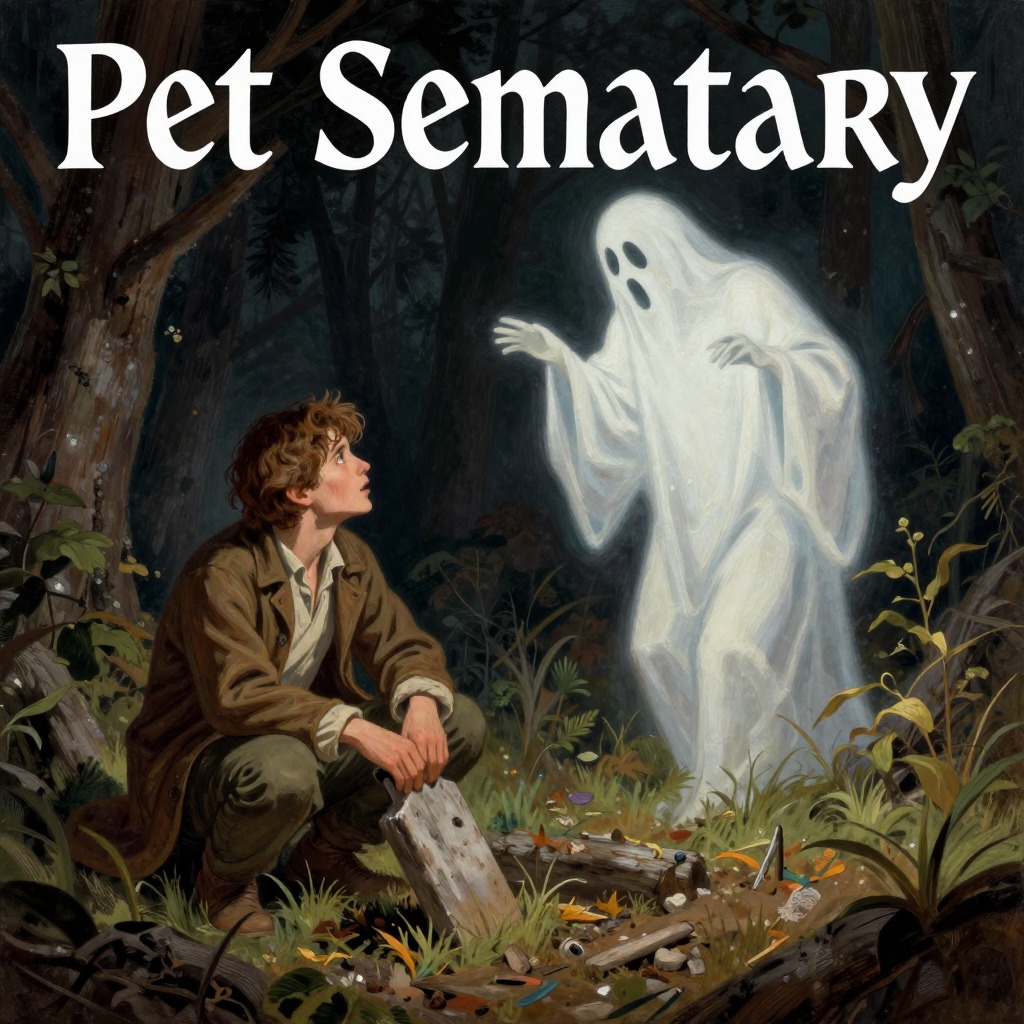
Jud's central role in the novel is as the gatekeeper of the Micmac burying ground. He first learned of it as a ten-year-old boy from the town drunk, Stanny Bouchard, after his dog Spot was killed. Stanny led him through the Pet Sematary, over the deadfall, and across Little God Swamp to the ancient hilltop where the Micmacs had buried their dead. There, Jud buried Spot, and the next morning, the dog returned. But the return was wrong: Spot was changed, clumsy, and smelled of the grave. Jud's father knew what had happened and warned him that the place was dangerous, that it had a power that could turn a man's good intentions to evil. Despite this knowledge, Jud carries the secret for decades, and when Louis saves Norma's life after a heart attack, Jud feels compelled to repay the debt. He leads Louis to the burying ground to bury the family cat, Church. He tells himself it is a kindness, a way to spare Ellie grief, but he also admits a darker truth: "You do it because it gets hold of you. You do it because that burial place is a secret place, and you want to share the secret." The place has a will of its own, and Jud, for all his wisdom, is not strong enough to resist its pull.
The Tragedy of Good Intentions
Jud's decision to initiate Louis into the secret is the novel's fulcrum. He later confesses to Louis that he may have been responsible for Gage's death, that the place might have used him to engineer the tragedy so that Louis would be driven to use its power again. He tells Louis the story of Timmy Baterman, a young man brought back from World War II by his father, who returned as a malevolent, knowing monster that had to be killed and burned. Jud's warning is desperate and sincere: "Don't go beyond, no matter how much you feel you need to, Doctor. The barrier was not made to be broken." But his own actions have already broken the barrier. On the night after Gage's funeral, Jud keeps a vigil, watching Louis's house, but he is put to sleep by the power of the place. He awakens to find the resurrected Gage in his home, a thing of pure evil that taunts him with the worst secrets of his life—his visits to prostitutes, his wife's imagined infidelity—before killing him with a scalpel stolen from Louis's medical bag. Jud's death is the direct consequence of his own act of sharing, a tragic irony that underscores the novel's central theme: that some doors, once opened, cannot be closed.
Thematic Significance
Jud Crandall is the embodiment of the novel's exploration of death, grief, and the terrible temptation to deny the natural order. He represents the wisdom of the past, a wisdom that knows that "sometimes dead is better," but he is also a man who has failed to live by that wisdom. He is a fundamentally good man who makes a catastrophic error out of love and gratitude, and he pays for it with his life. His story is a cautionary tale about the seductive power of secrets and the way that grief can corrupt even the most well-meaning heart. In the end, Jud is not a villain but a victim—of his own history, of the place's malevolent influence, and of the very human desire to undo what cannot be undone. His death, at the hands of the thing that was once his friend's son, is the novel's most brutal demonstration that the dead should be allowed to rest.